Part A
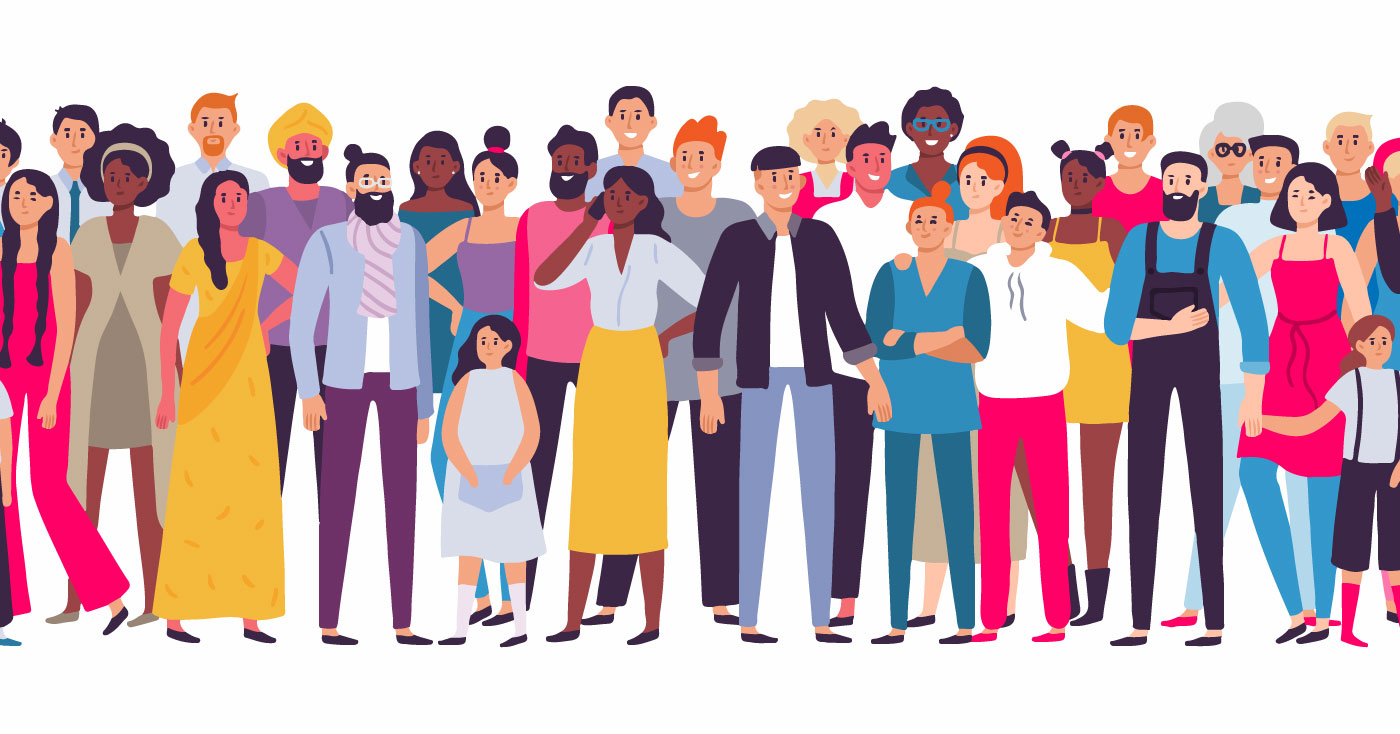
A goal was set in place by the United State to reduce or even better eliminate healthcare disparities by the year 2010. Marginalized populations are characterized by discrimination among groups and communities. Minnesota Psychological Association classified anyone who falls under the following category as being marginalized:
- GLBT
- Senior citizens
- Racial/Cultural minorities
- Military Combat Veterans
- Persons of below average intelligence
- Hearing, visually, and Physically Challenged Persons
- Persons with a serious and Persistent Mental Illness (SPMI)
- Persons with Cognitive Impairments
- Gamblers and Substance Abusers
- Autism Spectrum Persons
- Gifted and Talented Persons
- Persons with disfigurements
- Persons Living in Poverty
- Sex Offenders
- The Homeless
- Felons (N.A).
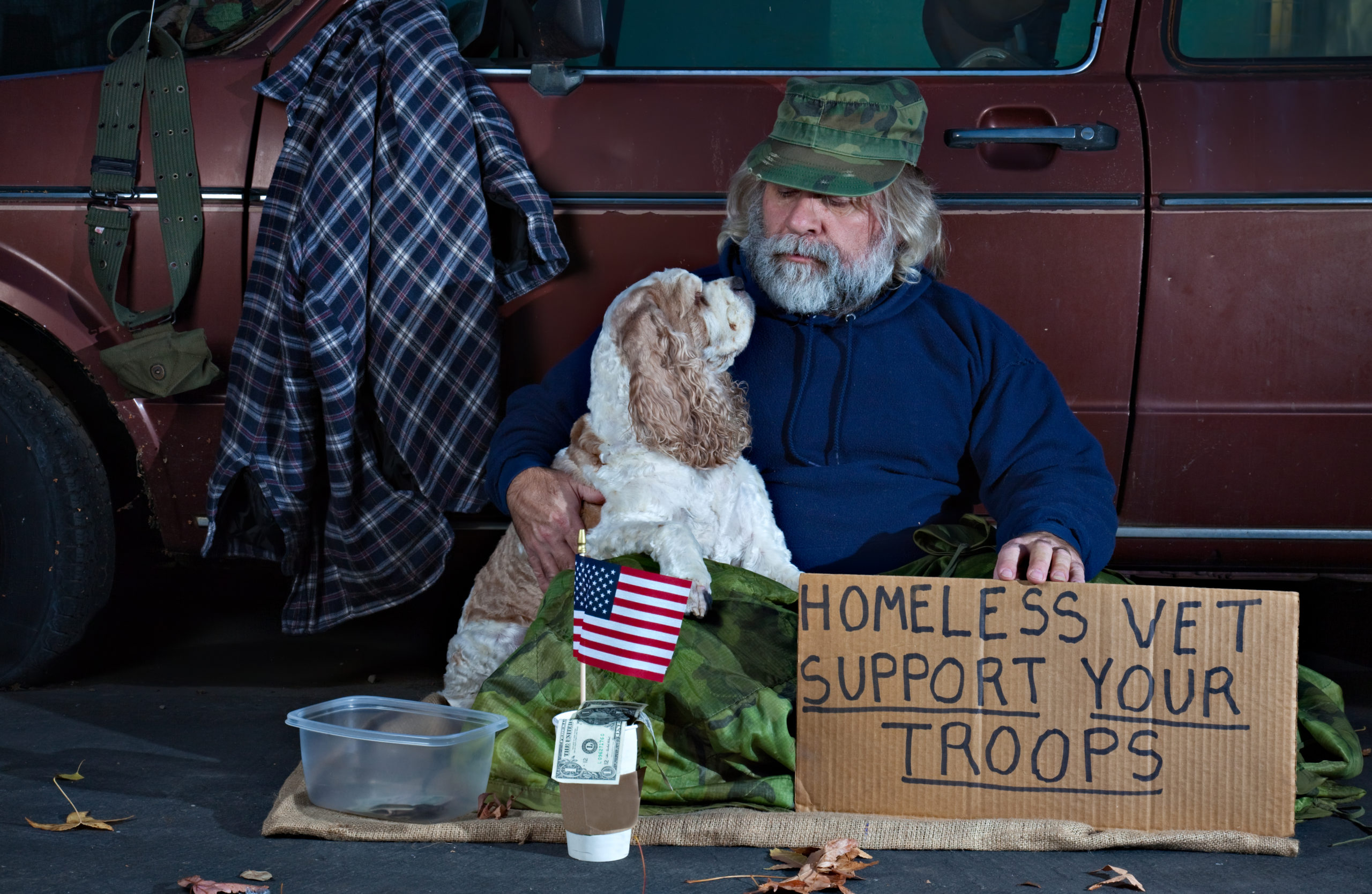
 (Tanielian et al., 2008).
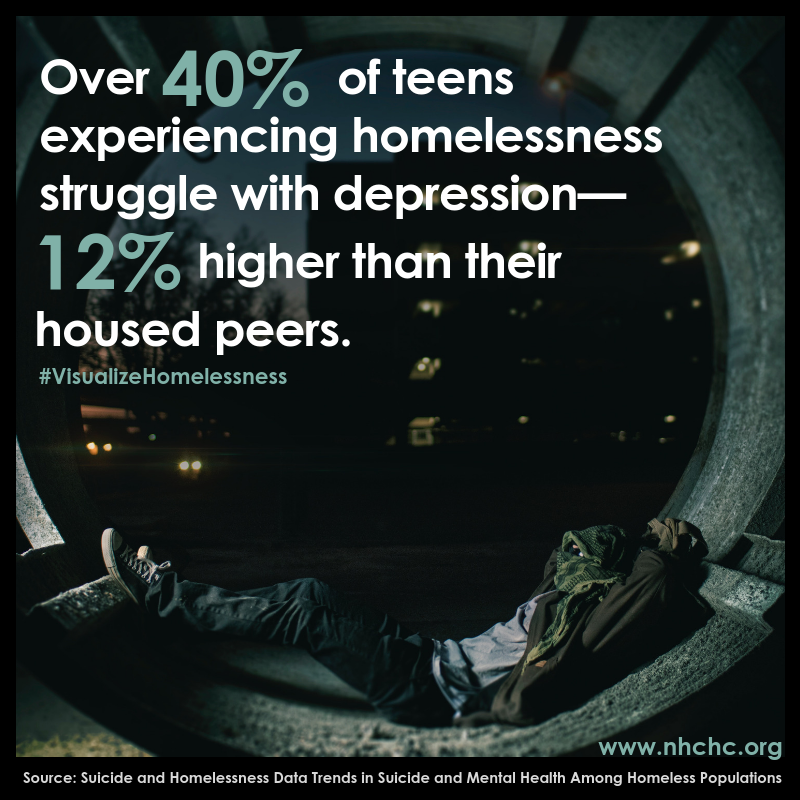
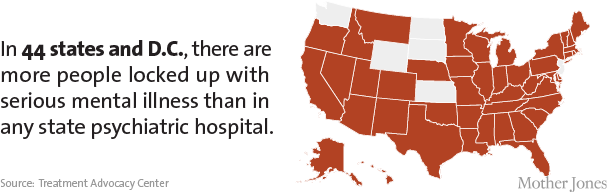
Minnesota Assistance Council for Veterans (MACV)
"Minnesota Assistance Council for Veterans (MACV) is a Veteran-focused nonprofit organization providing services and support to end Veteran homelessness in Minnesota. We envision a future where every Veteran and their family has access to sustainable housing.
We understand the reasons for Veteran homelessness and how these factors impact the people we serve. As Minnesota’s largest nonprofit focused on ending Veteran homelessness, our services and programs empower Veterans by equipping them with the resources, know-how, and tools to create new opportunities.
Our goal is to create a community of support through open collaboration and connections in communities across our great state. Join MACV and become a part of our supportive and welcoming community" (2021).
MACV’S MISSION
End Veteran homelessness in Minnesota.
MACV’S VISION
Every Veteran in Minnesota has access to the services and support needed to avoid homelessness and achieve sustainable housing.
MACV’S PURPOSE
"Homelessness and its consequences are leading causes of personal and family suffering and community problems resulting in major health and social costs. MACV exists to directly help Veterans and their families affected by homelessness in Minnesota or those in danger of becoming homeless. We strive to serve, inform, educate, and train others to carry a message of hope. As a result, we aim to set a national standard for respectfully meeting the housing and supportive service needs of Veterans while maintaining the worth and dignity of all those involved.
Through outreach offices in Minneapolis/St. Paul, Duluth, Mankato, ST. Cloud, Moor head, Rochester, and Princeton, we provide and coordinate services for Veterans in need throughout Minnesota" (2021).
MACV has helped over 10,000 Veterans over their 30 plus years of service.

Garrett, W. (n.d.). Marginalized populations. MemberClicks. Retrieved December 4, 2021, from https://www.mnpsych.org/index.php?option=com_dailyplanetblog&view=entry&category=division+news&id=71%3Amarginalized-populations.
About MACV, a Minnesota nonprofit for Homeless Veterans. MAC. (2021, September 2). Retrieved December 4, 2021, from https://www.mac-v.org/about-us/.
American Psychological Association. (2014, October). Incarceration nation. Monitor on Psychology. Retrieved December 4, 2021, from https://www.apa.org/monitor/2014/10/incarceration.
Health, V. H. A. O. of M. (2019, February 7). Veterans Affairs. Go to VA.gov. Retrieved December 4, 2021, from https://www.va.gov/HOMELESS/nchav/resources/justice-involved/incarceration.asp.
Homelessness and mental illness: A challenge to our society. Brain & Behavior Research Foundation. (2020, February 3). Retrieved December 4, 2021, from https://www.bbrfoundation.org/blog/homelessness-and-mental-illness-challenge-our-society.
Tanielian, T., Jaycox, L. H., Schell, T. L., Marshall, G. N., Burnam, M. A., Eibner, C., Karney, B., Meredith, L. S., Ringel, J. S., & Vaiana, M. E. (2008, April 8). Invisible wounds: Mental health and cognitive care needs of America's returning veterans. RAND Corporation. Retrieved December 4, 2021, from https://www.rand.org/pubs/research_briefs/RB9336.html.
Veteran mental health - facts and stats that need to be addressed. National Veterans Foundation. (2018, July 26). Retrieved December 4, 2021, from https://nvf.org/veteran-mental-health-facts-statistics/.
Comments
Post a Comment